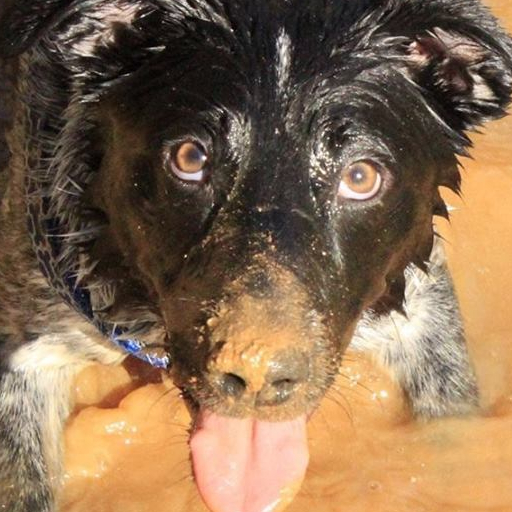
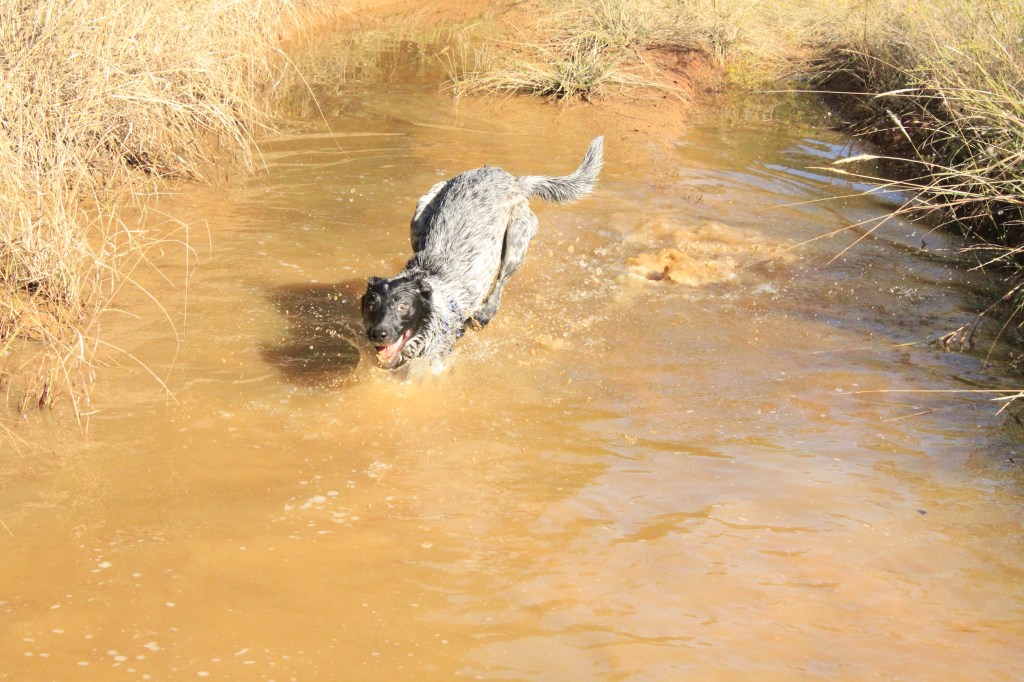
Does your dog seem like they’re powered by espresso shots? Do they pace around, react to every little sound, and seem to never stop moving? You’re not alone—and good news: there’s a skill you can teach to help them learn how to settle and relax, even in busy environments.
Some dogs naturally relax more easily than others, but most need a little help learning how to chill out. That’s where settle training comes in! By rewarding calm, quiet behaviors, we teach your dog that taking a breather is not only okay—it’s a great way to earn rewards.
Step One: Set the Stage
Before you begin settle training, it helps to manage your dog’s environment so they’re not set up to fail. If your dog is zooming from room to room or chasing shadows, it’ll be hard for them to focus on relaxing. Here’s how to help them get into the right mindset:
- Use a leash indoors: This isn’t about punishment—it’s about gentle guidance. A leash lets you calmly prevent your dog from wandering off or getting distracted while you’re working on training.
- Try a mat or dog bed: A consistent spot (like a towel, mat, or bed) can become your dog’s “chill zone” over time.
- Choose a quiet time: Start training when your dog isn’t overly excited. After a walk or play session is perfect.
- Limit distractions: Turn off the TV, keep kids and other pets out of the room, and set the tone for relaxation.
Once your dog lies down, that’s your green light to reward! Use calm petting—think slow, gentle circular motions on their chest or shoulder. Deliver treats calmly and slowly, placing them right between your dog’s front paws. Everything should say: “This is a time for rest.”
Step Two: Reward Doing Nothing
This is the heart of settle training: you’re going to reward your dog for not doing much at all.
We’re so used to rewarding our dogs for action—sitting, coming when called, giving a paw—that it feels strange to reward stillness. But calm behavior is something dogs can learn to enjoy and offer more often, especially if it pays off!
Here’s how to teach it, step-by-step:
1. Wait for a Sit
Sit down on the floor or in a chair with your dog on leash nearby. Don’t cue them—just hang out. Sooner or later, they’ll probably sit. When they do, calmly place a treat on the ground between their front paws.
Why this matters: You’re showing your dog that being still and relaxed earns rewards.
2. Reward Short Stays at First
In the beginning, reward them just for staying in the sit for a few seconds. You’re not trying to build a long sit-stay—just giving them the idea that staying put is a good thing.
Don’t keep feeding endlessly, though! After a few seconds, pause and see if they offer something even better…
3. Wait for a Down
After a few short sits, your dog will likely try lying down. When they do—yay! That’s what we’re looking for. Calmly place a treat between their paws again, and if they stay down, follow up with slow, gentle petting. You want to keep everything low-key and soothing.
4. Reward Relaxed Postures
Once your dog is lying down consistently, start looking for small signs of deeper relaxation:
- Resting their head on the ground
- Lying on one hip or their side
- Sighing or blinking slowly
These are gold! Quietly place a treat between their paws or gently stroke their chest. Be slow and soft—you’re reinforcing the vibe you’re trying to create.
5. Avoid Treat Anticipation
If your dog pops up or stares at you expecting another treat, just wait. You want to reward relaxation, not staring or fidgeting. Treats should come only when your dog is calm and still again, ideally with their head down.
6. Add Small Movements
Once your dog is chilling like a pro, start gently testing their relaxation:
- Shift your weight
- Lean forward and sit back
- Stand up slowly
If they stay down, reward them. If they pop up, no big deal—just wait and start again when they lie back down. Over time, this teaches them to stay settled even when things around them move.
What Do I Do If My Dog Walks Away?
Great question! It’s totally normal for your dog to get up and wander off during early training sessions. They might not understand yet what you’re reinforcing—or they might need to move around to settle their brain. Here’s how to respond:
Keep It Low-Key
Don’t call them back or scold them. That turns it into a game or power struggle. Instead:
- Gently pick up the leash and guide them back to the spot.
- Reset: Sit back down, relax, and give them time to settle again.
Reward When They Return and Settle
Once they come back and lie down, calmly reward them with a treat and/or soft petting. This reinforces that returning and relaxing is what gets them good things.
Check Their Needs
Sometimes a dog walks away because they’re uncomfortable, overstimulated, or need something else (a potty break, water, etc.). Make sure they’re physically and emotionally ready for training.
Over time, most dogs will stop wandering once they realize that being still and calm is when the good stuff happens.
Progress Takes Practice
The settle behavior won’t happen overnight, especially with young or high-energy dogs. But stick with it! Even a few minutes of practice a day can lead to big results.
Start in calm environments, then gradually add distractions—like training on a patio, at a friend’s house, or near a park bench. Eventually, you’ll have a dog who can settle anywhere!
You’ve Got This!
Teaching your dog to settle is a gift—to both of you. It builds patience, emotional regulation, and makes outings more enjoyable. And the best part? You’re reinforcing relaxation, not just obedience.
Need help troubleshooting or want to see what this looks like in action? I’m always happy to chat!


 Espresso Dog Training
Leave a reply to 5 Skills Your Dog Needs Before Visiting Dog-Friendly Restaurants or Breweries – Espresso Dog Training Cancel reply