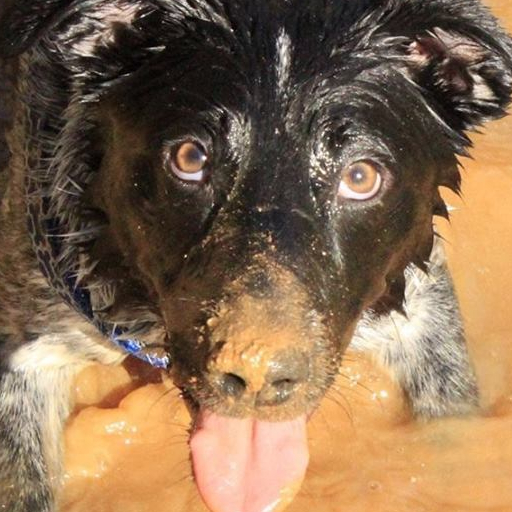
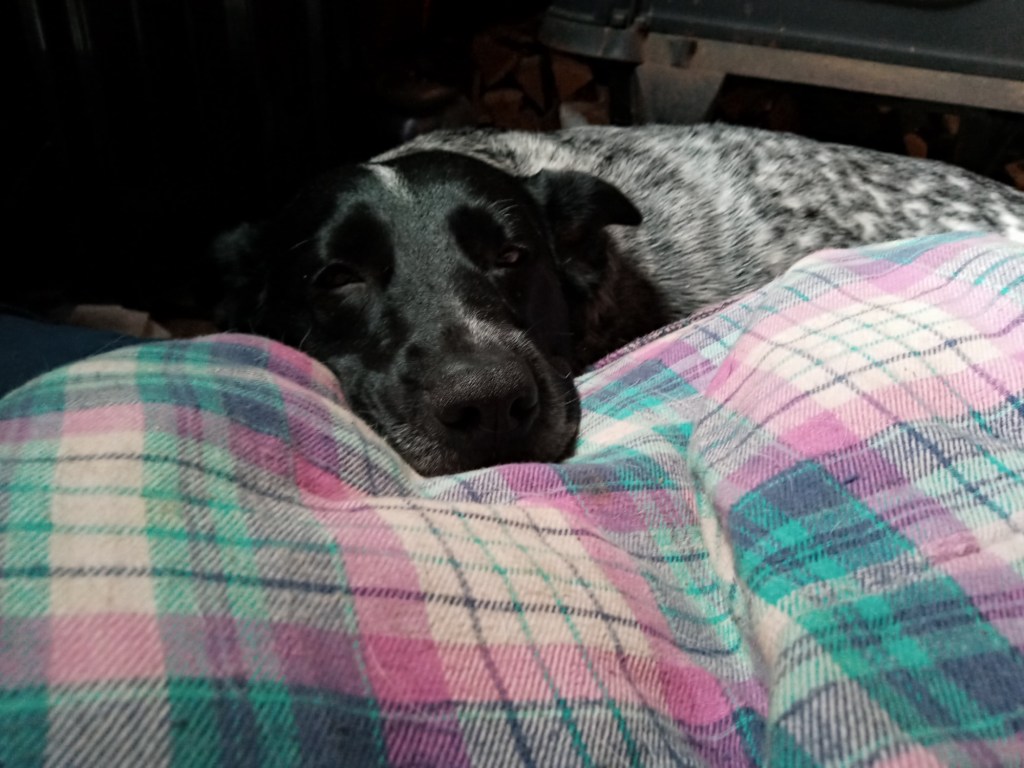
There’s something special about camping with your dog – waking up to birds singing as the sun begins to peak over the mountains, sharing the warmth of a campfire, watching them nap in the sunshine after a long hike. But there’s also a reality every dog owner quickly learns: those peaceful camp moments rarely just happen. They’re trained.
I’ve met plenty of “espresso dogs” – the ones who act like they’ve had a triple shot before breakfast – and they can absolutely become calm, confident camping companions. You just have to give them the right foundation before you hit the trail.
Here’s how I like to prep dogs for camping trips (and what I practice with my own).
Build Off-Leash Reliability with Check-Ins
Off-leash reliability doesn’t start with the recall cue – it starts with connection. A “check-in” is when your dog looks at you, walks toward you, or loops back on their own. It’s their way of saying, “Hey, we’re doing this together!”
Reward those moments every single time you see them. On walks, on trails, in your backyard – if your dog checks in, mark it (“Yes!” or click) and reward. Reward with things your dog actually loves! I almost always recommend really smelly treats (real meat or cheese), real animal fur toys, or something else that your dog would do back flips for. Your reward really needs to be fun, involved with you in some way, and genuinely “worth” ignoring exciting distractions. Over time, if your reward is good enough, you’ll notice an increase in attention on you even in the face of distractions!
This skill is the backbone of reliable recall – and it turns off-leash adventures from stressful to joyful.
Practice an “Automatic Leave It”
Campsites are full of temptation – leftover food scraps, interesting smells, mystery critters, and (if you’re unlucky) someone’s unattended hot dogs. Teaching your dog an automatic leave it – where they choose to look away from distractions without being told – can be a lifesaver.
Start in your kitchen or backyard. Hold a piece of food in your closed hand and present it to your dog. The moment they look away or stop trying to get it, mark it (“Yes!” or click) and drop or toss the food for them to eat.
You’re not telling them what to do – you’re rewarding the choice to disengage. Once your dog consistently waits for the reward, you can gradually make it harder – open your hand, place the food on the floor, or practice with more interesting items. Think about anything you want your dog to leave/ignore, and start small and easy so your dog can be successful!
With repetition, your dog learns that ignoring the tempting thing gets them something even better. When that habit carries over to the campsite, you’ll spend less time saying “leave it!” and more time relaxing by the fire.
Teach a Solid “Settle”
A good settle means your dog can relax calmly even when exciting things are happening – like new dogs arriving, kids running by, or dinner sizzling on the grill.
Start by practicing at home. Get out a mat or a towel that can be easily transported and packed with your camping gear. Reward your dog first for stepping on the mat, then standing with all 4 feet on the mat, then sitting on the mat, then lying quietly on the mat. Gradually add small distractions like people walking by, a door opening, gentle noises. When your dog can settle through those, take the mat to a park, a dog-friendly cafe or parking lot to a store, or a quiet trail spot.
Bring that same mat camping! It becomes a familiar “place” your dog can relax on anywhere – even next to a campfire.
Work on Loose Leash Walking in Real Environments
If your dog can walk nicely on leash in your neighborhood, great – now it’s time to test it in new environments. Campsites and trails bring a whole new level of excitement, so practice loose leash walking in parks, on dirt paths, and around other dogs before your trip.
Keep sessions short, reward generously for focus and a loose leash, and remember: this is all prep work for making your camping trip smoother later.
If your dog does not know how to walk on a loose leash, here are a couple of posts I’ve created that might help: My Dog is Dragging Me Everywhere! & Give In! To Leash Pressure!
Don’t Skip the “Easy Stuff”
Practice your dog’s basics – recall, sit, stay, down – in different environments before your trip. The more your dog generalizes those cues, the more reliable they’ll be when things get exciting outdoors.
Bonus: Camp Prep Checklist for Dogs
Before heading out, make sure you’ve trained and packed for comfort and safety:
- A long line (for safe exploration before going fully off-leash)
- A familiar mat, blanket, or towel for “settle” practice
- Portable food and water bowls and extra food and water
- Shade and a tie-out or crate
- Bug protection (for you and Fido)
- High-value treats and chews for training & quiet time
- Updated ID tags and microchip info
Camping with your dog should be fun, not stressful – and it can be, with the right training ahead of time.
If you’d like help building your dog’s off-leash reliability, teaching calm camping manners, or tackling your own “espresso dog” energy, that’s my specialty! I offer adventure-focused training programs here in Garland designed to help dogs thrive anywhere – from the sidewalk to the campsite.
 Espresso Dog Training
One response to “How to Train Your Dog for Camping: Tips for Calm, Reliable Adventure Dogs”
[…] If you’re specifically working toward camping trips with your dog, off-leash reliability is just one piece of the puzzle. I break down additional skills like settling, leash manners, and campsite behavior in this post: How to Train Your Dog for Camping: Tips for Calm, Reliable Adventure Dogs […]
LikeLike