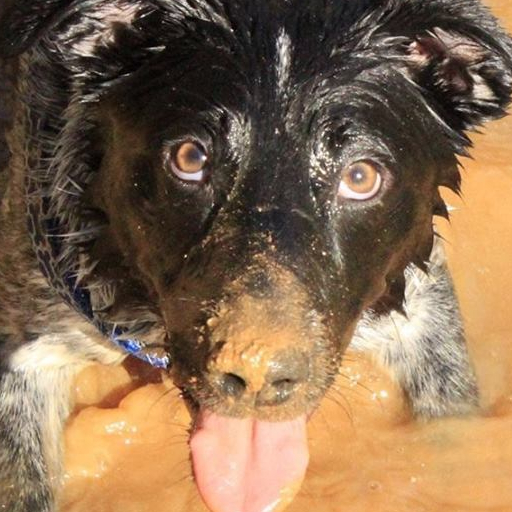
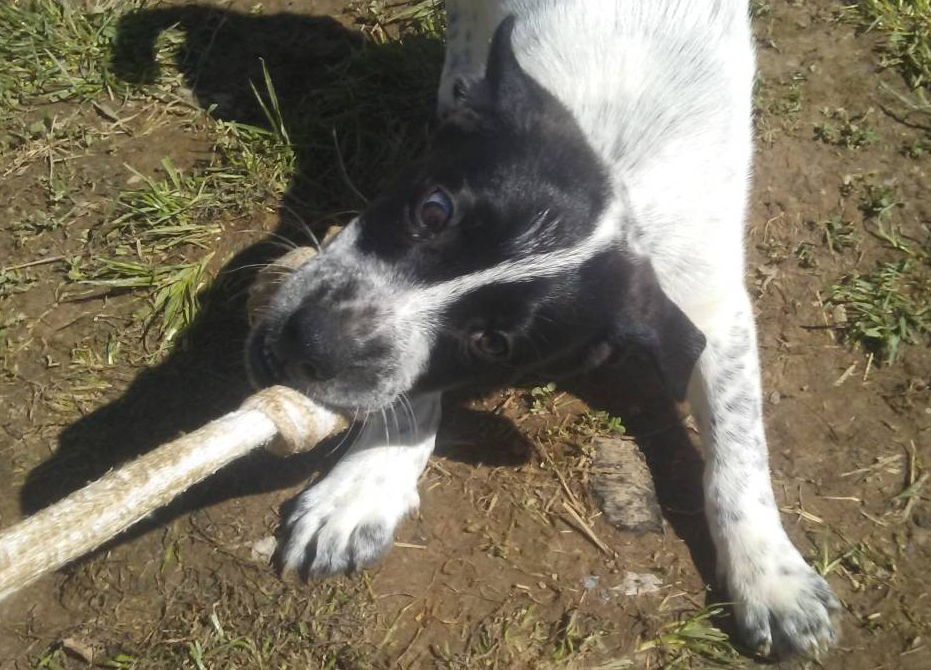
I’ve written about this previously in my post Ouch! My Puppy is Biting Me! but I wanted to add a few more tips for dealing with dogs or puppies who are really bitey. This is strictly for dogs who are play-biting, NOT for dogs biting out of fear or aggression.
A lot of the puppies I work with are high energy breeds. Belgian Shepherds (Malinois and Tervurens mostly), Australian Shepherds, Heelers/Cattle Dogs, German Shepherds, Jack Russell Terriers, Dachshunds, etc. – among others – and most have this in common: They LOVE to bite. You may notice another theme: They’re some kind of working breed – herding breeds, terrier or hunting breeds – these can be pretty intense dogs, especially as puppies still learning self-control.
What’s the point I’m making here? Put simply, these dogs need to engage their natural instincts. Chasing, biting, tugging – these are all instinctual behaviors to so many dogs, not just the breeds I’ve listed here. I’d suggest all or nearly all dogs could benefit from play that involves chasing, biting, and tugging. Especially a hyper puppy.
The type of exercise or play you do with your hyper dog definitely matters, too. If your dog is just mindlessly running, that’s okay and fine, but it would be better to use all of their instincts. A game like “Hide N’ Seek” but with toys is a great way to allow your dog to move and think and use their instincts. Of course you can hide and get them to find you, too!
A lot of people use Fetch, which can be good, too, but we can make it even better! Put your dog in a sit-stay and have them wait in a sit while you throw the ball. This might be hard for your dog, so be patient, and start really slow and easy if you need to! There’s no shame in adding training to something excitable like a ball. In fact, if you work on creating structure and calmness around the ball, you’ll see a massive difference. You may even start to notice improvement in other areas, too!
Tug is fantastic and something I almost always recommend! Like everything, tug does need boundaries. You want to make sure your dog can handle getting so physical without going over the top and injuring you. Just like with Fetch, you can add a little obedience to Tug: Teach your dog to Sit and wait (here is a great video if you need help teaching your dog a Sit-Stay) until you give the cue for them to grab the toy and start tugging! Next, you want to make sure your dog has a solid “Drop It” cue. (Here’s a great video on ‘drop it’!)
Ultimately, working with mouthy dogs and puppies takes some time and ensuring you’re meeting their needs in other areas, in combination with a good training plan!
Make sure you’re giving your dog the outlets they need, and happy training!
Follow my Guidebook for even more tips!
Latest from the Guidebook

A Beginner’s Guide to Off-Leash Reliability: Building Trust, Focus, and Freedom
Want to hike and explore with your dog off leash? Learn how to build reliable off-leash behavior using attention, leave it, and recall!

How to Train Your Dog for Camping: Tips for Calm, Reliable Adventure Dogs
Train your dog for camping adventures! Learn check-ins, “leave it,” settle, and leash skills for calm, reliable off-leash behavior outdoors.
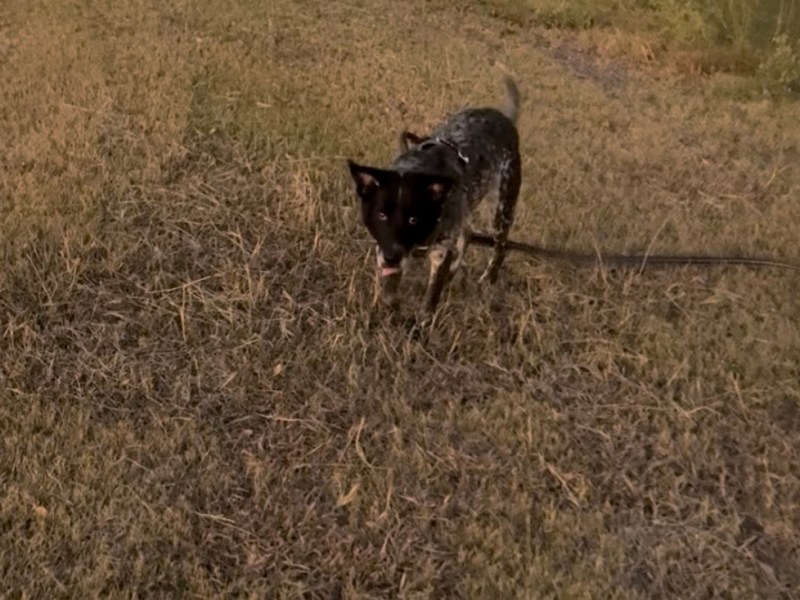
Hyper to Hiking Buddy: How to Channel Your Dog’s Energy for Adventure
Got a high-energy dog? Learn how to turn your wild, overexcited pup into a calm, focused trail partner. Espresso Dog Training shows you how to go from chaos to connection using positive reinforcement.
 Espresso Dog Training
Leave a comment